Tuesday, 18 December 2018

Project Statement

When researching for my essay I came across a lot of sexist advertising targeted towards women who are physically active. I realised that a lot of this, in particularly the This Girl Can campaign, was celebrated and seen as a triumph. This campaign successfully managed to encourage over 1 million women to become more active despite the whole campaign subtly objectifying women and viewing them as sex objects. The campaign suggests that women must look attractive at all times, even enduring exercise. Quotes such as ‘sweating like a pig, feeling like a fox’ and ‘under these gloves is a beautiful manicure’ further emphasises this ‘desire’ women have to look glamorous for men. If this was a campaign targeting men there would be no such expectations, they would be allowed to be seen as sweaty and muddy. 
Despite the campaign’s target audience being women they chose to use provocative imagery to attract male attention. 

Following these findings I read a lot of articles about how sports women are portrayed and how they are taught that in order to be successful they must be sexy and appeal to men. This apparently helps them achieve a bigger fan base and more media coverage. 

My original question was ‘Does The Way Women Are Represented Through Sports Branding and The Media Influence Their Attitudes Towards Physical Activity?’. The answer to this question is yes it does. Women are lead to believe that they must look attractive whilst exercising which makes them less likely to take part as they are fearful of being judged for looking sweaty and not conforming to this sexist stereotype set by the media/ branding. 

My practical outcome targets this issue at the source and is aimed at branding agencies and charities that fund campaigns such as ‘This Girl Can’. The aim is to educate them about what their sexist campaigns and ads are doing to women in society and the shockingly low fitness levels of girls and women across the country. I chose to create a publication to send out to these companies as I thought it would be the most appropriate way to do it. The booklet is short and straight to the point so that it is more likely to be read as it won’t take long. I’ve used a lot of visuals throughout to break up the text as well as making my facts page interesting.

Overall I am pleased with how the project has turned out and think my outcome works well with my essay as it teaches people what I have learnt during my research process. On reflection I think there could’ve been some focus on a digital version of the publication, something straight to the point that would be used on social media. I think this would reach a larger audience as it could be shared online, however the booklet can still be passed on and shared. 

Monday, 17 December 2018

Evaluation


Overall I am really pleased with how the design turned out, I think looks professional but still has an element of fun. The sports hall floor design has helped my link sections together by create text boxes and photo frames to highlight areas of importance or interest. Using a white background throughout and black texts keeps the booklet looking simple and makes information easier to take in.
I am really proud of the infographics I've created and I think this makes the facts stand out more so that the reader would be more likely to remember them.
Throughout the book I kept information short and to the point so that the reader wouldn’t get bored and lose interest. In terms of bind I used a simple saddle stitch with a staple as I wanted something that would look neat and professional. I was also keen to create something that was easy to reproduce and produce on mass if necessary therefore this method keeps costs down. As well as this I chose just to use printer paper, again this was done to keep costs down as this is an important part of my project. 

Final Production


When creating the booklet I did a small version at first to make sure everything looked okay as this was cheaper to print. 


Originally I was going to saddle stitch my booklet together however I decided just to staple it instead as I found this more appropriate. I wanted it to be more corporate and professional in this sense and thought stitching it would make it too homemade/ personal. 


After checking everything was okay on my small version I then printed and trimmed down the A5 version. I printed on normal printer paper to keep costs down as if this was to be printed in bulk expensive paper stock would be too hard to maintain. 


Time Management

When planning my time I used the timetable sent to us by Helena. It made it easier to plan my time and know when I needed certain things to be ready by. Having time for independent study every other week made it so that I had done a lot of work between meetings so had a lot to discuss and get feedback on. 


I made a quick time plan in my diary, as things were so far in advance at the time it was hard to know when I would want to do certain things so I decided just to plan what days I would do each module.

25th Oct - 1st Dec
Monday: Extended Practice
Tuesday: UCAS Application
Wednesday: COP
Thursday; COP
Friday: PPP

1st Dec - 18th Dec 
Monday: COP
Tuesday: UCAS
Wednesday: EP/ COP
Thursday: COP
Friday: PPP

Then at the beginning of each week I made a list of what I wanted to get done that week and then I assigned certain days to do this. I found that this made it a lot easier as I struggled to plan my time too far in advance as I wasn't too sure what would come up. As we had the Vis Com brief going on at the same time I knew I had to factor in a slot to work on this/ go to meetings with Beth.


Thursday, 13 December 2018

Typeface choices

I chose to use DIN Alternate for headings throughout my booklet as I wanted to use something that had a more digital feel to it. I thought this typeface in particularly would be suitable as I could imagine it being used on the back of sports shirts. 

Image result for DIN Alternate font
Image result for sports shirt number

Final Outcome


 I really like how my booklet has turned out and I think it looks very professional and is fit for purpose. The colours used make the booklet clean, crips and easy to read. The booklet has an element of fun but still has a serious tone of voice. I really like that I have been able to add interesting bits of design such as the line patterns and the infographics. 

Binding Options

Saddle Stitching

Saddle-stitching is the simplest binding method, in which pages are folded and stapled together. This type of binding is used for single issue comic books, as well as lookbooks, workbooks, booklets, calendars, and many magazines and catalogs with smaller page counts.

Perfect Binding (Softcover)

Perfect binding is the binding method used for softcover books and trade paperbacks. Pages are folded, gathered, sewn, and then glued into a cover, forming a squared-off spine.

Case Binding (Hardcover)

Case binding is the technical term for hardcover book binding. Pages are folded, gathered, and sewn, and a ‘case’ is made by gluing and folding a printed sheet around 3 pieces of greyboard. The pages are then glued into the case with a few extra pages called endsheets, forming an entire casebound book.

Board Book Binding

Board books are a special type of binding often used in children’s books. Pages are printed on thick paperboard and assembled one by one into a book block with a printed spine.

Booklet paper stock

80 – 100gsm: This is the general weight of standard office paper and would rarely be used in brochures.
• 110 – 120gsm: This weight is usually used with stationary paper for things such as letterheadsand compliment slips.
• 130 – 170gsm: Heavier, more durable paper usually used for posters, leaflets, flyers and pages inside your brochure.
• 170 – 200gsm: This is the midway point between paper and card. It can be used for brochure covers and is great when used for more luxurious posters or quality double sided flyers.
• 200 – 250gsm: This paper weight is the starting point of heavier card (board) and can add a quality finish to a brochure if used as a cover.
• 300 – 400gsm: Anything over 300gsm falls into the board category and this is usually the weight at which business card’s start. Board can be used as a cover for brochures but it’s important to remember the stitching and folding implications of using heavy board as a cover.
• 400gsm and above: Some luxury business cards are printed on weights up to 1200gsm. Business cards would be considered thick and very good quality at above 400gsm.


Infographics page


I wanted to make the facts and figures that are important to display in this booklet eye-catching and memorable. I thought seeing a visual would make it easier for people to process so many.
I chose to do some simple pie charts in ring shapes and displayed the important percentages in the middle of them. For the facts that about 1 in 5 children and 1 in 3 children I used circles to show this. I think this makes the information easier to process and also more shocking when you see it displayed in this format.


Initially I struggled to add any yellow to the design as I thought it looked nice with just the blue and red however this would not flow with the rest of the booklet. I then used the yellow line to highlight the fact on the right hand page as I thought this would make it look more considered and useful rather than just throwing yellow in there for the sake of it.

Front cover design


Initially I planned on having the front cover in black as I thought this would be more eye-catching and less boring than just plain white. However I couldn't find a way to use coloured lines on it without it looking like a 90's design. 
I tried the same design on a grey background however I still didn't like this and thought it looked very old fashioned and not professional enough. 
I decided to increase the font size of the booklet name to make it more impactful and hopefully aid the design however this didn't really work and I was still struggling to make it look right. 
I then added a white text box to make the title of the booklet pop, I much preferred how the red looked against the white background so decided to change the front cover colour to white.


The colours worked a lot better on the white background as it made them pop more. It also related better to the inside of the book. I chose to add a circle to the front cover to represent the centre circle of a sports pitch, there was no opportunity to use one inside as it would be too distracting however I think it works well here.


I then added my name as the author, I didn't want it to stand out too much and thought it should flow with the design so I decided to ad it running parallel with the red line in the design.

Overall I am really happy with how the front cover has turned out and I think it looked professional and would encourage people to pick it up and give it a read. Without even reading the title I think the design makes it obvious it is about sports. 

Design developments

I initially planned my booklet out in my note pad to get some sort of idea of how many pages I would need/ what information to include. 


The design I created originally was very simple and neutral as I wanted it to look professional and educational. However I found this style a bit boring and wanted something that would encourage people to read it rather than have them throw it away.

I looked at adding colour and started playing around with adding lines of colour to make it subtle and used it to highlight the headings. 


I then thought about how this could look like lines from a sports hall court and decided to expand on this idea. 


I created more interesting patterns with the lines to make the page more appealing. I used the to add direction and move the readers eyes along the pages. 


I then added more coloured lines and overlapped them to make it look more like the lines shown in the image of the sports hall, they over lap and go in different directions.


I played around with using multiple colours to reference the many different sports played in a sports hall as this would relate to the different sports women play. However this looked messy and I thought it looked too childish so I decided to scrap this idea. Instead I stuck with the three primary colours: red, blue and yellow.


After playing around with the design for a while chose to increase the font size for the headings to make them stand out more. I also played around with the lines and made text boxes and boxes around the images to make them link into the design better. I also chose to get rid of the black rectangle behind the page numbers as I wanted to create more white space.

I chose to use a colour images throughout the booklet as well as I think they link better to the colours used throughout with the patterns  


I chose to display the image on the contents page as I had a lot of text to fit in the 'why sue these guidelines section' and I didn't want to miss anything important out.


Bauhaus

When creating my booklet the use of primary colours and geometric shapes reminded me of the bauhaus so I chose to look at them for inspiration. 

The Bauhaus was a German art school operational from 1919 to 1933 that combined crafts and the fine arts, and was famous for the approach to design that it publicised and taught. The Bauhaus was founded by Walter Gropius in Weimar. 

BAUHAUS. nasce in Germania e ha un grande ruolo dal punto di design, architettura e arte. operava una notevole semplificazione dell'immagine stampata. NESTI Bauhaus poster by Tom Humphris, via Flickr Bauhaus Basic shapes + Primary Colours Click to close image, click and drag to move. Use arrow keys for next and previous.

I love their simplistic use of colour and shape and how they use blank space to their advantage. This is something I really struggled with in my designing however after looking at these examples it really helped me create a consistent and unique design  throughout my booklet. 

Size/ shape of booklet

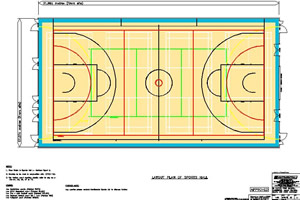
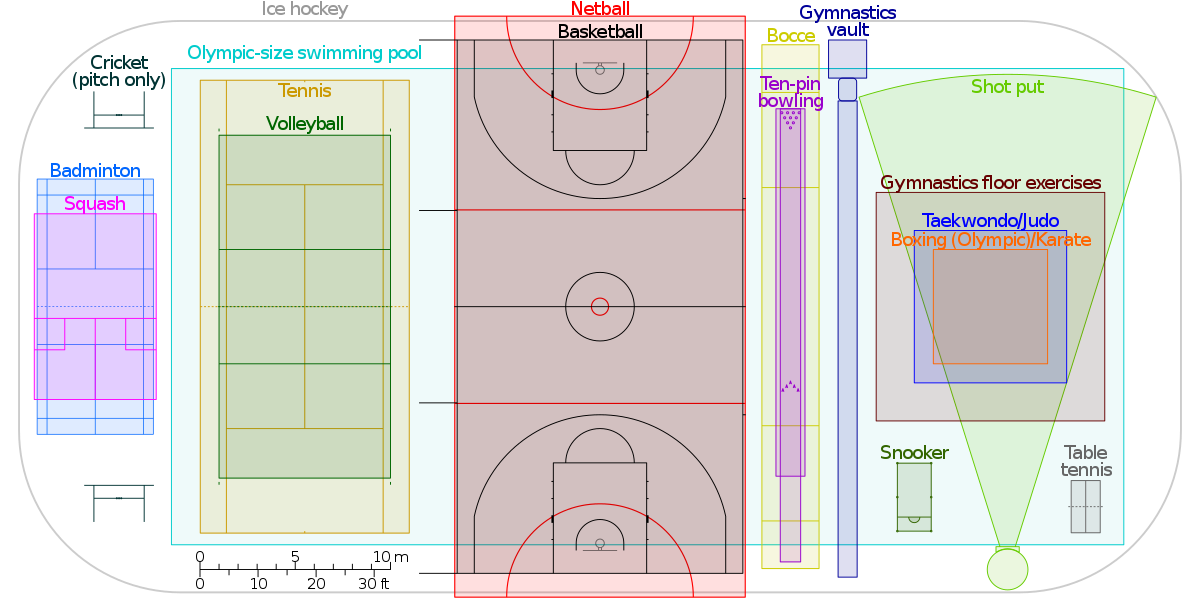
Image result for size of a sports hall


The average size of sports halls:

33 x 187.6m


For school projects a minimum size of 34.5 x 20.0 x 7.5 m is recommended 

As a sports hall is always rectangular shape I decided I wanted to do my booklet this shape too to keep in with the theme. I chose the size A5 as this is a popular booklet size, it isn't too big and it isn't too small therefore can display a lot of information. I decided to the the booklet Landscape so that when it is folded out it will look more like the shape of a sports hall/ sports court.

Image result for size of a sports hall


Information is Beautiful


A visual guide to how the world really works, through stunning infographics and data visualisations, thoroughly revised, recalculated and reimagined for this new edition.
We are overwhelmed by information - from our phones, our televisions, our computers, our newspapers.
This new edition of Information is Beautiful has been revised throughout with over 20 updates and 20 new visualisations. It offers shelter from the flood by visualising data in a new way that blends facts with their connections, their context and their relationships - making information meaningful, entertaining and beautiful.
This is information like you have never seen it before - easy to flick through but also engaging enough to study - information that comes to life in your hands and your eyes.


I also looked at information is beautiful for some inspiration as it is a book I have always enjoyed flicking through. I love how simply they present information and use colour in a very subtle way. This is one of my favourite examples as it displays so much information but in a really easy to understand way. 

Infographics

Infographics are graphic visual representations of information, data or knowledge intended to present information quickly and clearly. They can improve cognition by utilising graphics to enhance the human visual system's ability to see patterns and trends.

As my publication will contain some facts and figures I wanted to present them in a fun and engaging way. The booklet has a serious tone throughout and mainly consists of blocks of text with the occasional image therefore I wanted to create an interesting page to break this up. 

Brix Sans (Typefamily) on Behance

I looked at examples online that show simple pie charts but in more unique ways. I really like this above example and how they have made the pie chart more engaging, rather than just a flat one dimensional circle it has enlarged sections that have been elongated and overlap each other, this makes the information easier to read but also highlights the important sections and draws your attention to these first. 

I can move this to my infographic board now!

I also really liked this unique take on a pie chart and think it looks really pleasing. it doesn't use the traditional circle associated with a pie chart but it still present the information in a simplistic way. You can see the size of the section, the name of it and the % on it therefore it provides all the necessary information. 
As my facts just contain one percentage this design would not work with my information however I do like this idea. 

Monday, 10 December 2018

Colours to use

Image result for school sports hall floor colours

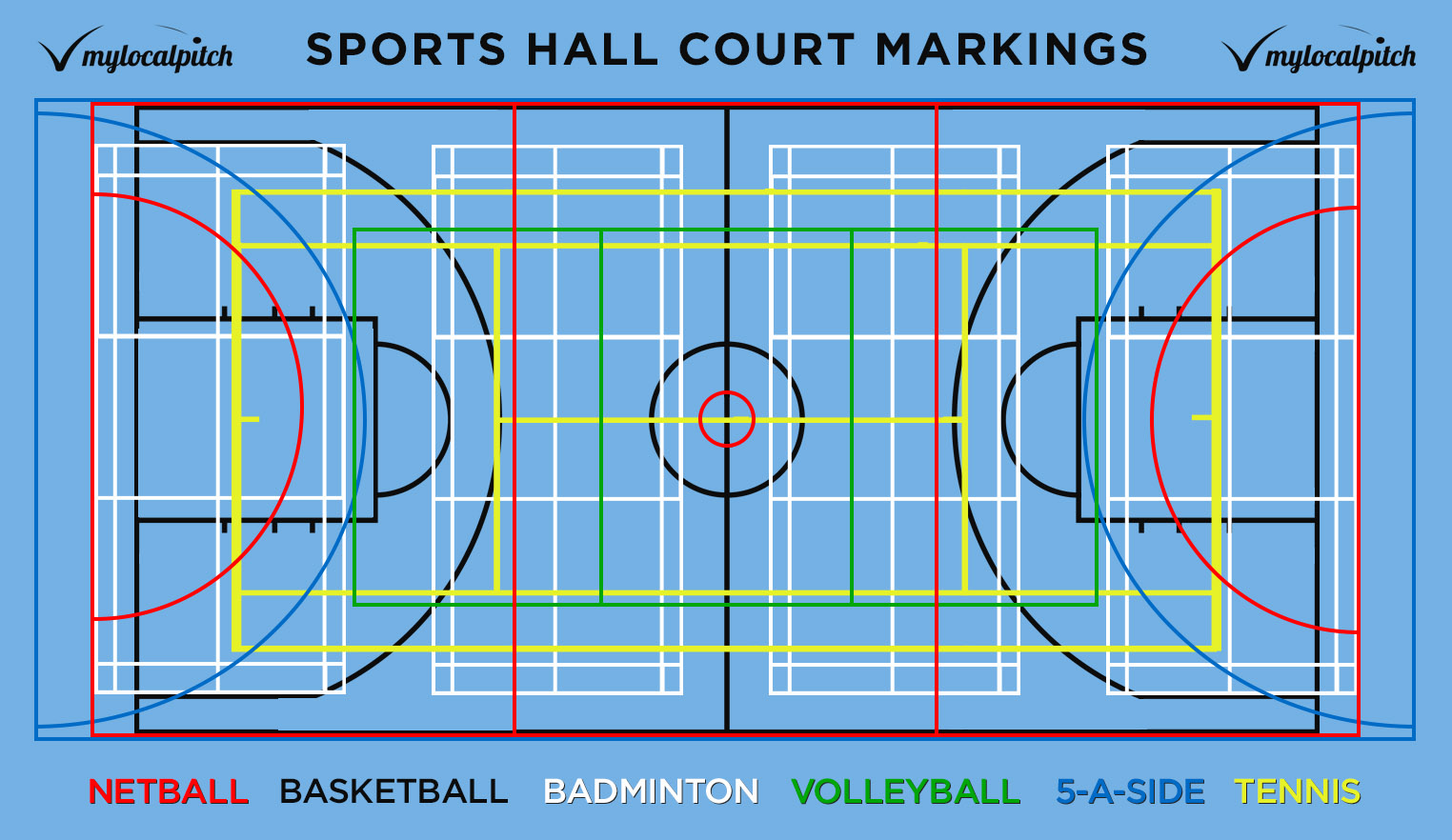
An example of how a sports hall floor looks and how each colour represents a different sport, in this case red is netball, black is basketball, white is badminton, green is volleyball, blue is football and yellow is tennis. Some floors have more colours/ use different colours however I like how simple this diagram makes things and it highlights my idea well. 

Useful Imagery


Related image

I wanted to make my publication as simple as possible to ensure focus was put on the text inside of the booklet rather than the imagery/ design. The booklet is targeting companies that are considering creating a campaign that focuses on sports for women. Despite the face that the booklet is aimed at women I didn't want it to be stereotypically girly as this goes against what I have learnt from my research, I wanted it to look professional and respectable. 

I decided to just use black and white in my initial designs however I thought this looks too boring and it lacked colour/ interest. I then though about adding a pattern/ colour, I looked at the lines on sports pitches/ courts but most of these lines are white. However I then thought about school sports halls and how they have many different coloured lines for different sports and thought this would be a nice way to incorporate colour/ pattern. 

Friday, 7 December 2018

campaign booklet for lottery fund

Initially I had the idea to do my guidelines booklet as though it was a product produced by the national lottery fund. 

I used their colour scheme and logo to look official. 


I think the booklet looks official and professional 

I used one of the borders used on their website as a border for the booklet. I think it adda a bit of interest rather than just having a plain white page.


I also created a spread about how their logo could be used including the english version and the welsh versions. 

Big Lottery Fund


What We Do

The Big Lottery Fund funds projects and activities that make communities stronger and more vibrant, and that are led by the people who live in them.


We support charities, community groups, and people with great ideas - local or national, large or small. We also bring people and groups together: to share experiences, learn from each other and try new ways of working.

National Lottery funding

The National Lottery raises money for good causes.

People use this funding to do extraordinary things, taking the lead to improve their lives and communities. Every time you buy a National Lottery ticket, you help make this happen.

Communities come in all shapes and sizes, and National Lottery funding is there for everyone.

There are 12 distributors of money raised by the players of The National Lottery, which fund projects and activities that transform communities, protect our heritage, and enrich lives through arts, sports and culture.


Playboy Magazine


in 2011 just before the 2011 women’s Football World Cup the German National posed naked in playboy which was again apparently done to promote the World Cup. The question is why do women need to pose half naked in order to get male attention?
They believed that doing this would prove that football is a beautiful sport and is acceptable for women to play. 

Why We Believe The Media

In a day and age where the media is reported as not always being a reliable source a lot of people still believe everything they read. 

The reason behind this is thought to be because the reader has an unconscious motivation that makes them question their beliefs, if they read something that matches their beliefs they are likely to accept that it is as true, even if it is not. 

The reverse of this can also happen, a reader will reject information that doesn’t match their beliefs even though it could be true as it requires too much questioning and processing to understand. 

Many psychologists believe that a reader is more likely to let their guard down when they encounter news in their personal space especially when it’s on social media as this is more likely to be tailor towards them and their interests. 

Articles they see are often shared by family, friends or influences that the consumer has chosen to associate themselves with online therefore they see them as a reliable source . 

As well as this, readers are likely to believe things that are simple and easy for them to comprehend therefore if it is short and snappy the reader is unlikely to question whether it is true or not.

Headlines determine how many people will read an article and are written to lure people in. A headline also alters the way the consumer reads certain articles. They are often searching for the information from the headline as this is what persuaded them to read the article initially and encourages a biased reading. By drawing attention to certain details or facts, a headline can affect the existing knowledge in the reader’s brain. 

The headline often uses clever phrasing to influence a person’s mindset as they read it. 

KesselsKramer

KesselsKramer is an independent ad agency established in 1996, it is based in Amsterdam and has offices in London and LA. Its ad campaigns have been very notable including 'The Worst Hotel In The World' for Hans Brinker Budget Hotel in Amsterdam and 'I Amsterdam' done for the city. 

Related image


A lot of their work focuses on highlighting important issues such as the gender pay gap. 

Did you know that men earn 300,000 euros more than women over the course of a lifetime? Kessel's Kramer campaign to draw attention to the pay gap between genders.

Did you know that men earn 300,000 euros more than women over the course of a lifetime? 

Since 2004, Dutch foundation WOMEN Inc. has been on a mission to increase opportunities for women in the Netherlands. As of 2013, WOMEN Inc. decided to focus on a theme vitally important to women: the pay gap between genders. To draw attention to this, KesselsKramer produced posters calling attention to the fact that men earn 300,000 euros more than women over the course of a lifetime (photography by Isabelle Wenzel). At the same time, we stimulate women to find out what they’re worth with an online test. Take the test here
In the next stage of the campaign, we created an online film together with Margôt Ros and Maike Meijer, known from satirical Dutch television program Toren C. In the film, Maike and Margôt go to extreme lengths to close the gender pay gap.
In addition to address women directly, we also call on Dutch politicians to take their responsibility to place the pay gap between genders on the political agenda. That’s why we came up with a stunt to let politicians experience how large the pay gap actually is and feels by placing a bath filled with €300.000 euros in front of The House of Representatives in The Hague.
Screen_shot_2014-03-31_at_16.01.34
The campaign is very positive and draws attention to the fact that women earn less than men which is a really important issue in todays society. The images focus mainly on the female body and highlight the curves of bottoms and elongated legs which poses the question if this is meant to be a campaign to empower women and make them equal, why is the focus on their body? 
The images have been shot in a vintage style which suggest they are from the 1940's/50's, a time where women weren't respected and didn't have the same rights as men. All the women in the pictures are wearing skirts as this was normal for that time period, women who wore trousers were seen as masculine, wearing trousers was a sign of rebellion. The campaign is clever as it reminds us of the not so distant past and questions if we have really changed since then? Women may have gained a little more respect and have more say in what they wear and how they choose to live their lives but this pay gap suggests not much has really changed. Women are still not valued as much as men.